ashton's cheeses case study
Web Design & Development | Identity Design
Building a brand from scratch - a high-class cheesemonger's first ever web presence, hand-coded in HTML, CSS, and later rebuilt in PHP.
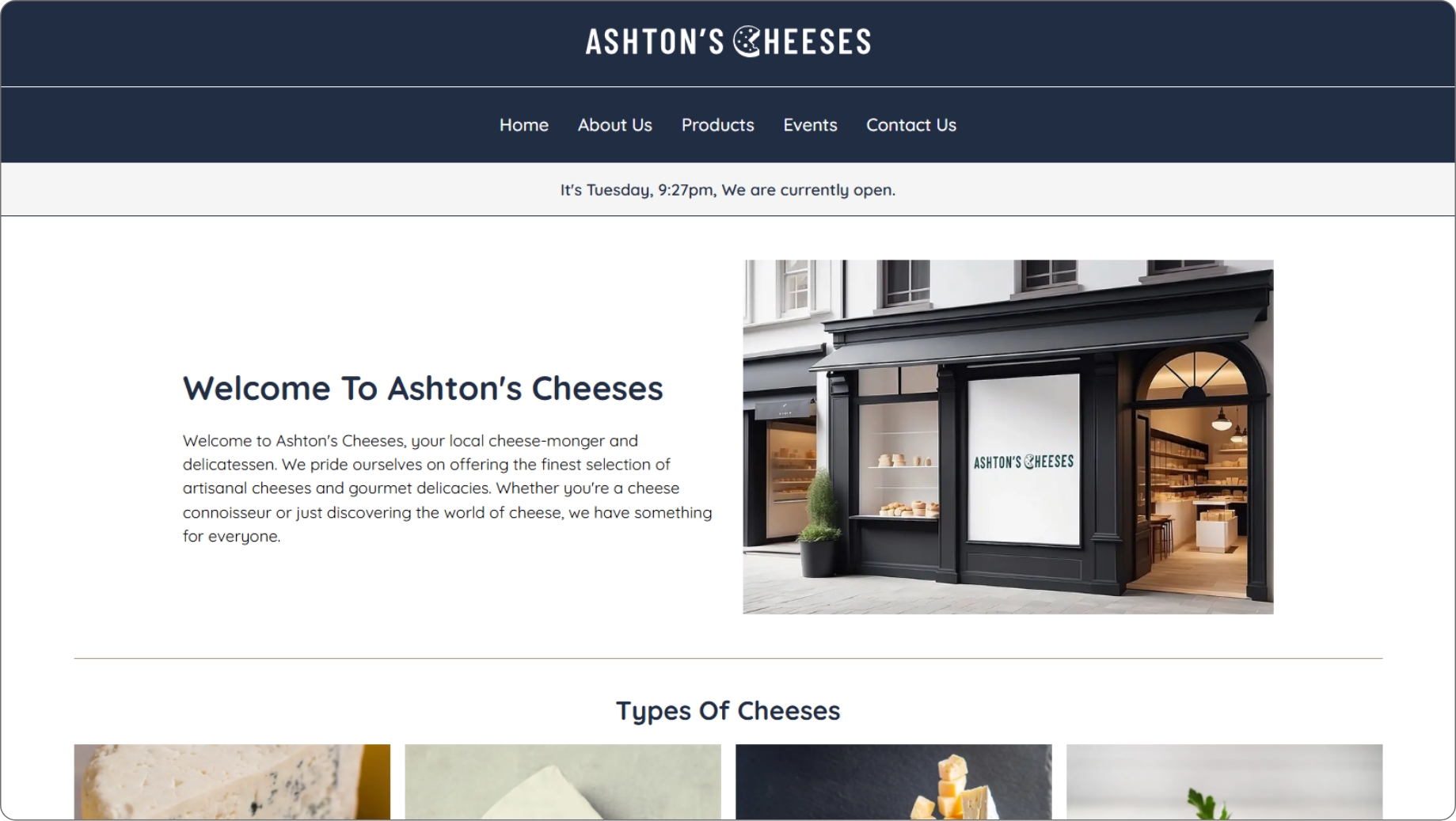
tools used
Adobe Photoshop, Adobe Illustrator, Adobe XD, Visual Studio Code, HTML & CSS Validator
project overview
This was a university brief to design and build a website for a small, independent fictitious business - Ashton's Cheeses, a high-class cheesemonger and delicatessen. The objective was to create a hand-coded HTML and CSS website as a marketing tool to encourage people to visit the shop in person, not to sell online.
The project covered the full design and development process - from research and branding to layout, responsive design, and final validation. No frameworks or templates were used; every line of code was written by hand.
the problem
Ashton's Cheeses, a high-class cheesemonger and delicatessen, had no web presence at all. Without a website, the shop was invisible online - potential customers couldn't discover it, find opening hours, or understand what made it special. The goal was to create a marketing website that would encourage people to visit the shop in person, not just browse online.
context
As part of a campaign to bring customers back to the high street, I was commissioned to build a website for a small, local business. The site needed to be informative, engaging, and reflective of the brand's high-quality products - while being built entirely from scratch using only HTML and CSS, following a mobile-first, web standards approach.
work included
- • Multi-page website - Homepage, Products, About Us, Visit Us, Events, Custom 404.
- • Single external CSS file with Meyer reset, cascade, and inheritance.
- • W3C validation - HTML and CSS.
- • Responsive layout.
- • Visual branding & consistency.
- • Hand-coded HTML & CSS, without using frameworks.
- • Accessibility and user-friendly navigation.
- • PHP includes for reusable components.
- • Reflective design journal published as a WordPress blog post.
key learnings
- 1. Semantic HTML matters: Proper use of semantic elements isn't just best practice - it directly impacts accessibility, SEO, and how maintainable your code is long-term.
- 2. Mobile-first produces better results: Starting with mobile constraints and progressively enhancing for desktop creates more considered, robust layouts than retrofitting responsiveness afterwards.
- 3. Performance is part of design: A beautiful site that loads slowly is a bad experience. PageSpeed Insights revealed real opportunities to improve - and I acted on them in version 2.
- 4. Process is as valuable as output: Documenting your thinking is a skill that makes every piece of work stronger.
visual worksnaps
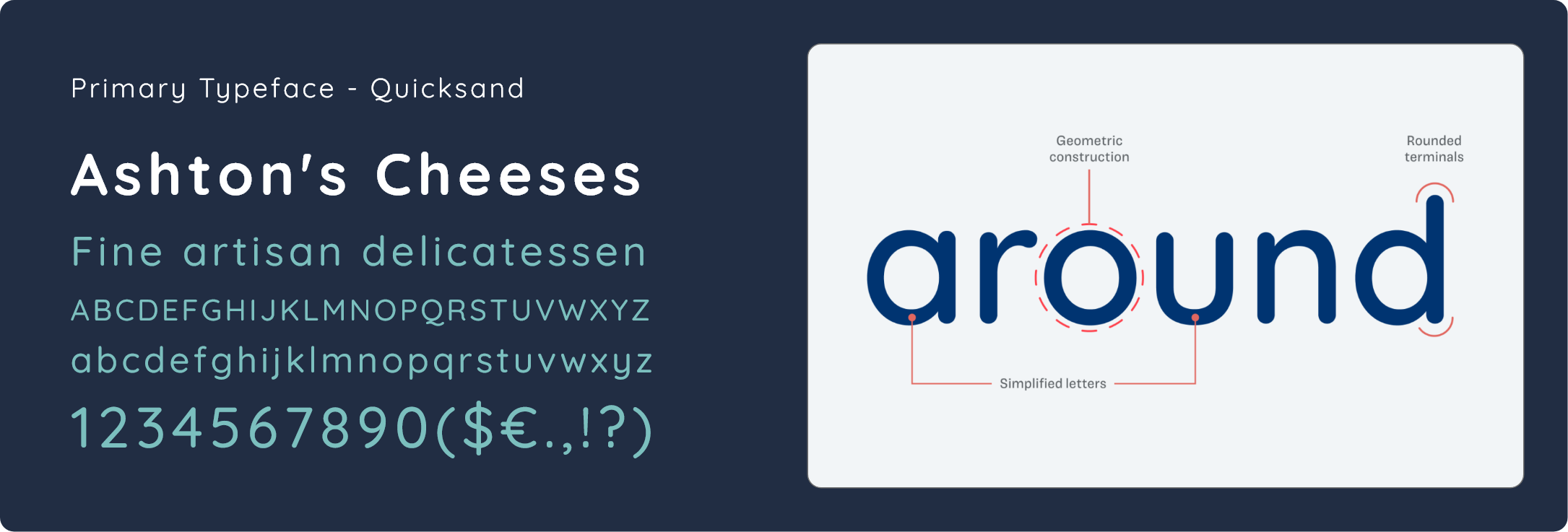
color and typography

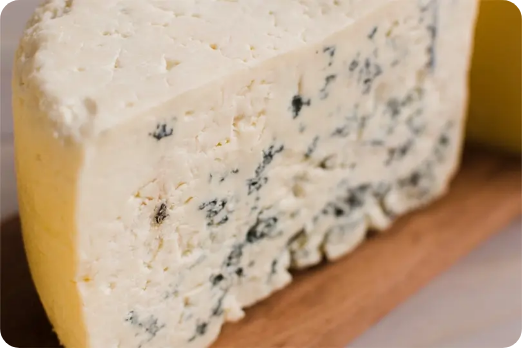
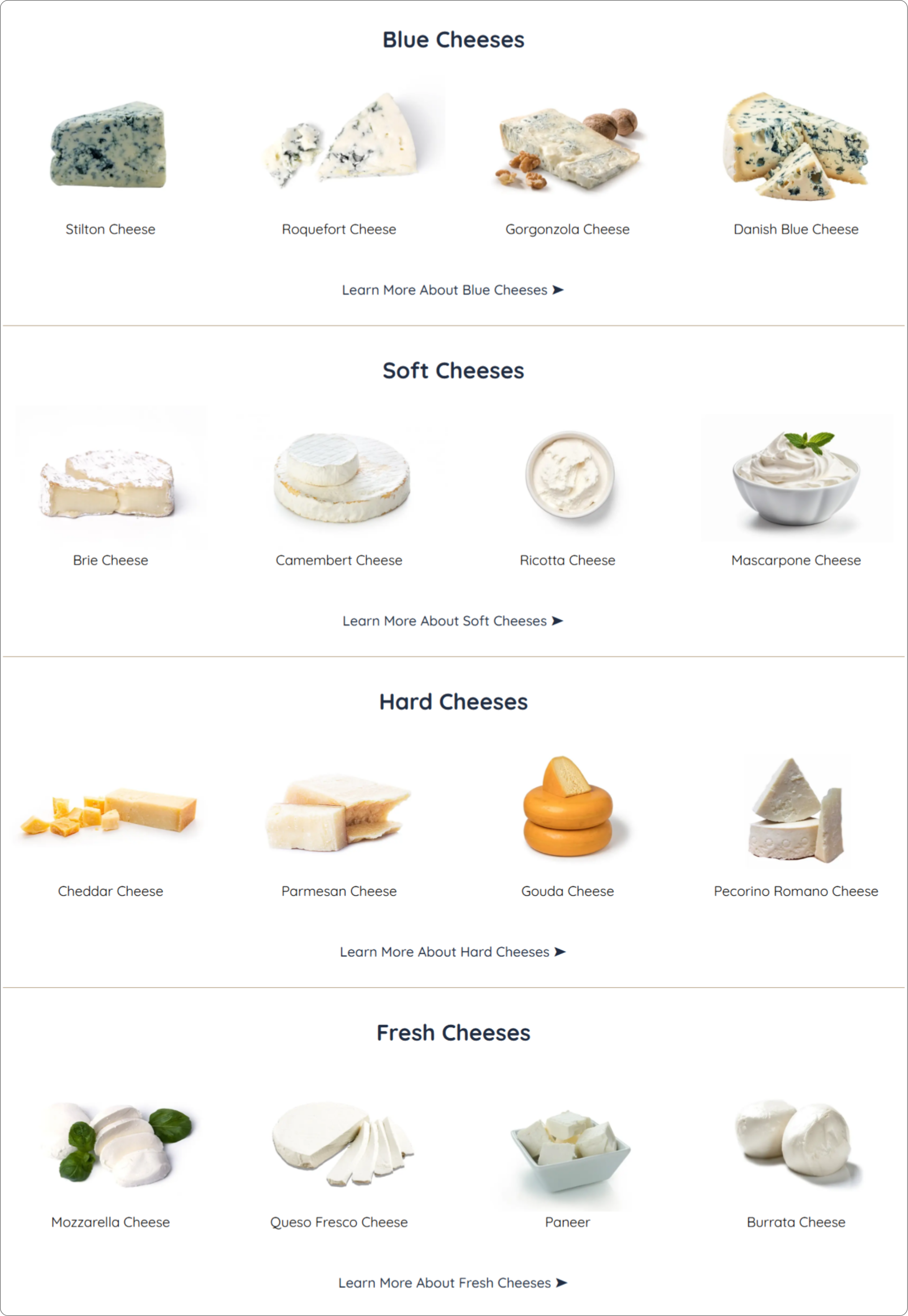
visuals (from unsplash and freepik)



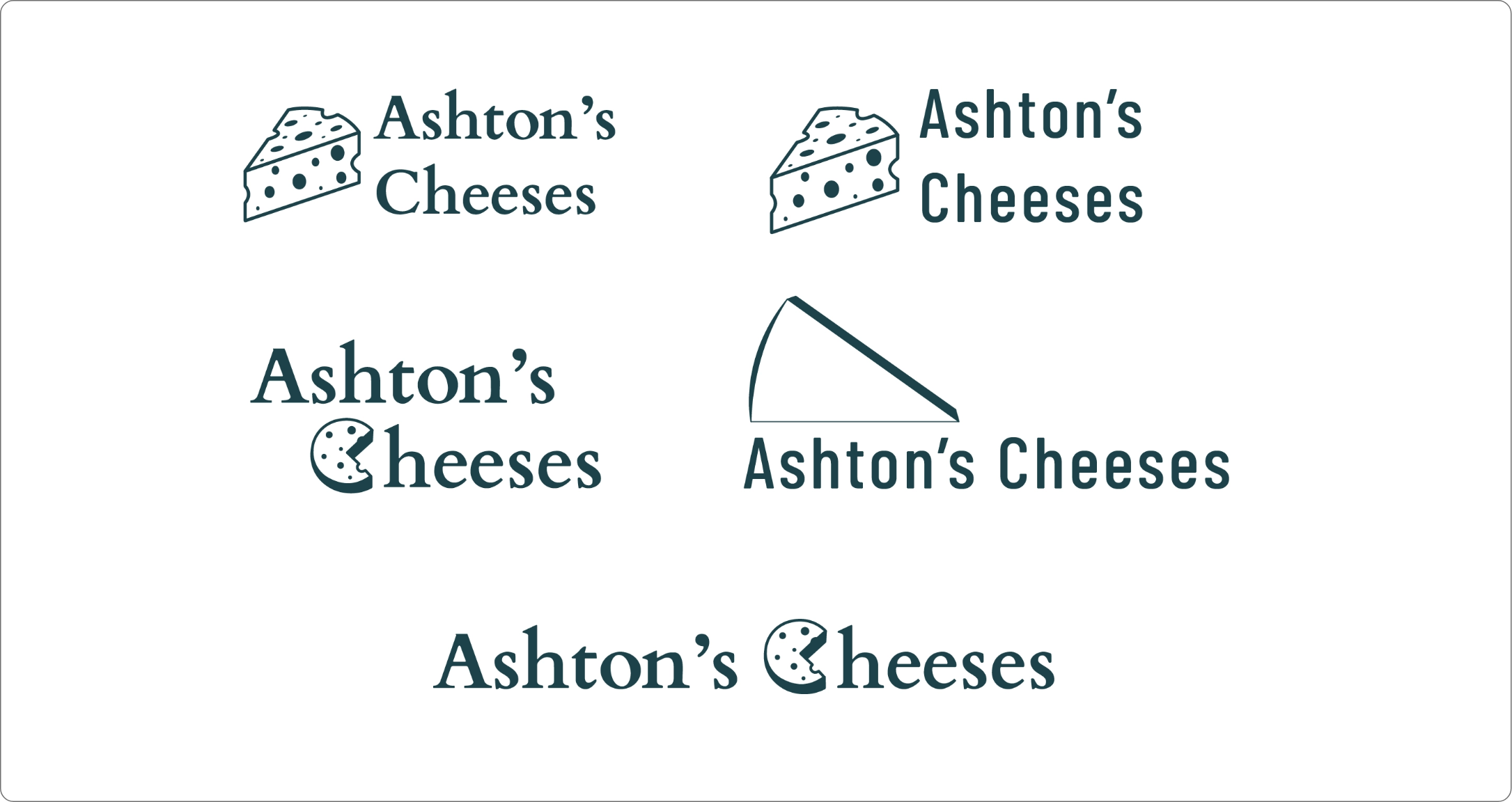
Explorations Of Logo Concepts, Using Fonts
Logo Design, Final

Explorations Of Layouts, Using Adobe XD Tool


Custom 404 Error Pages


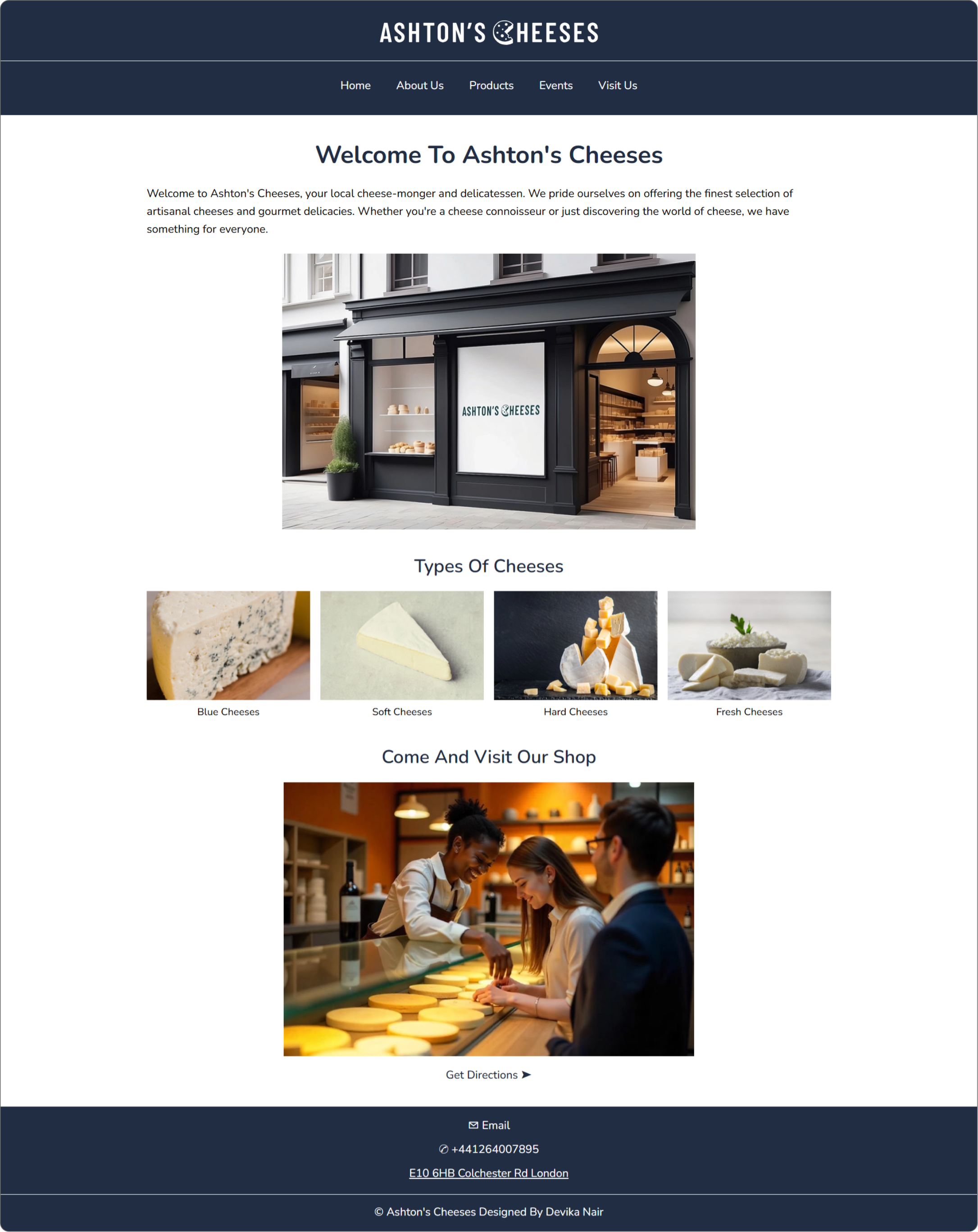
Final Website, Homepage